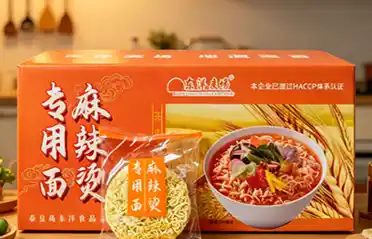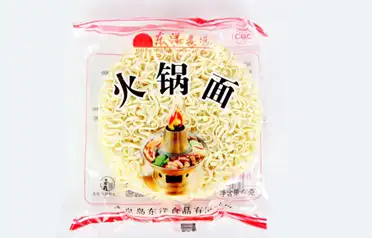

Qinhuangdao Dongyang Foods Co., Ltd., established in September 2005, is located on the west side of Shilangshan Road and the north side of Xinkaikou Street in Changli Industrial Park, Qinhuangdao City. It covers an area of 40,000 square meters, with a registered capital of 11 million yuan and a total investment of 250 million yuan. It employs 20 technical personnel and had total assets of 49.89 million yuan in 2023.
Regarding the question of its annual instant noodle block production capacity, there are two publicly available references. First, evaluation materials for the renewal of the company’s water withdrawal permit in Qinhuangdao (2019–2020) indicate that the company declared an "annual production of 500 tons of instant noodles" at that time. Second, in July 2023, the Changli County Administrative Approval Bureau issued an approval (Document No. 202309) for a new project. This project, covering a total construction area of approximately 41,739 square meters, is designed for an annual output of 40,000 tons of instant food products, with instant noodle blocks—including varieties tailored for hot pot, *malatang* (spicy hot pot), vegetable-based noodles, buckwheat-konjac noodles, and *daoxiao* (knife-cut style) noodles—serving as the core product category.
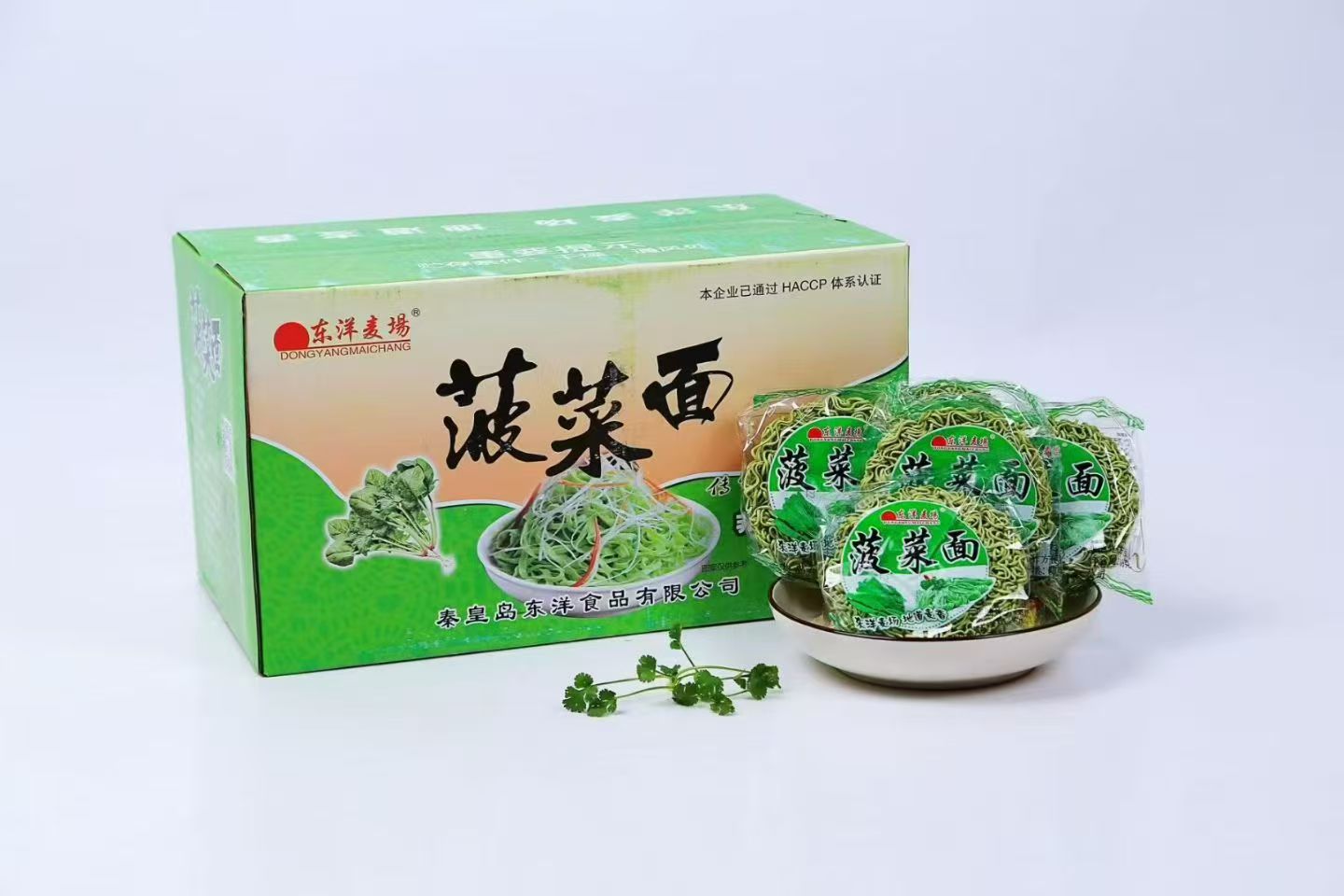
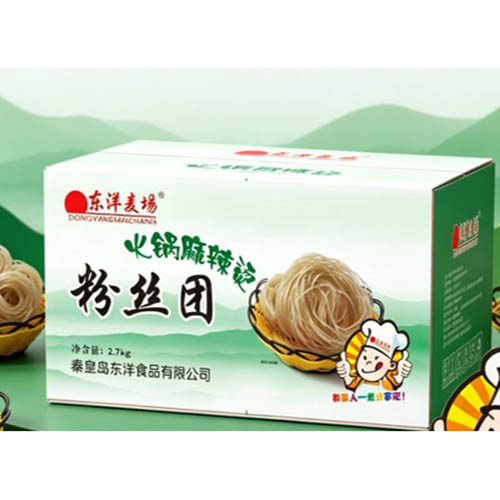
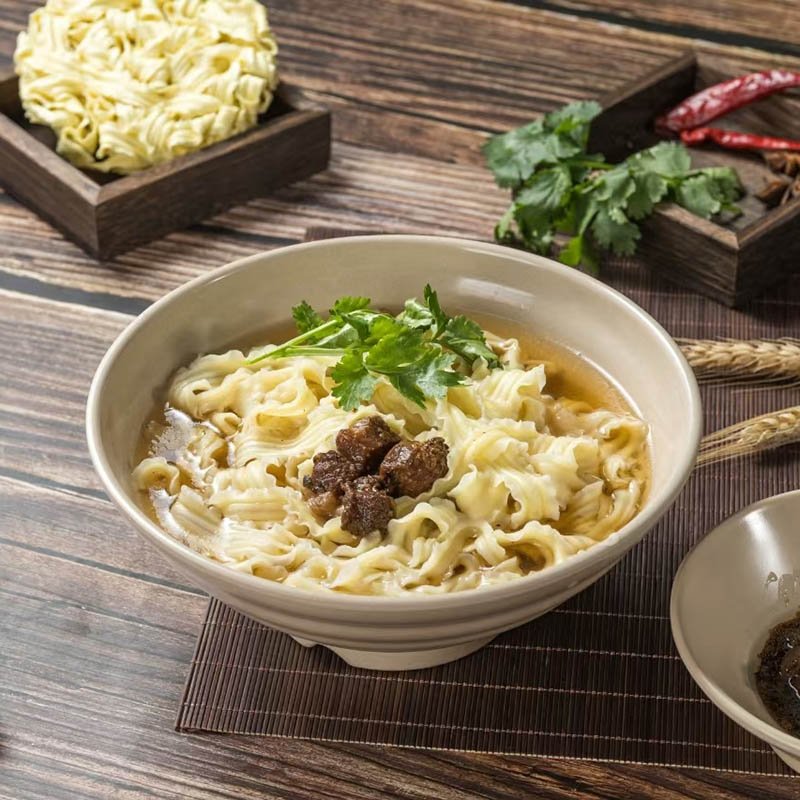
The company’s instant noodle block product line is strategically positioned to serve both the foodservice (catering) sector and the home-consumption market. Its *daoxiao*-style noodles, designed specifically for *malatang*, are supplied wholesale and have an 8-month shelf life. The buckwheat-konjac noodles are marketed for their uniform texture and a smooth, firm, and chewy quality after cooking. Other instant noodle varieties—such as those for hot pot, as well as vegetable-based and multigrain noodles—are shipped from Qinhuangdao to markets nationwide.
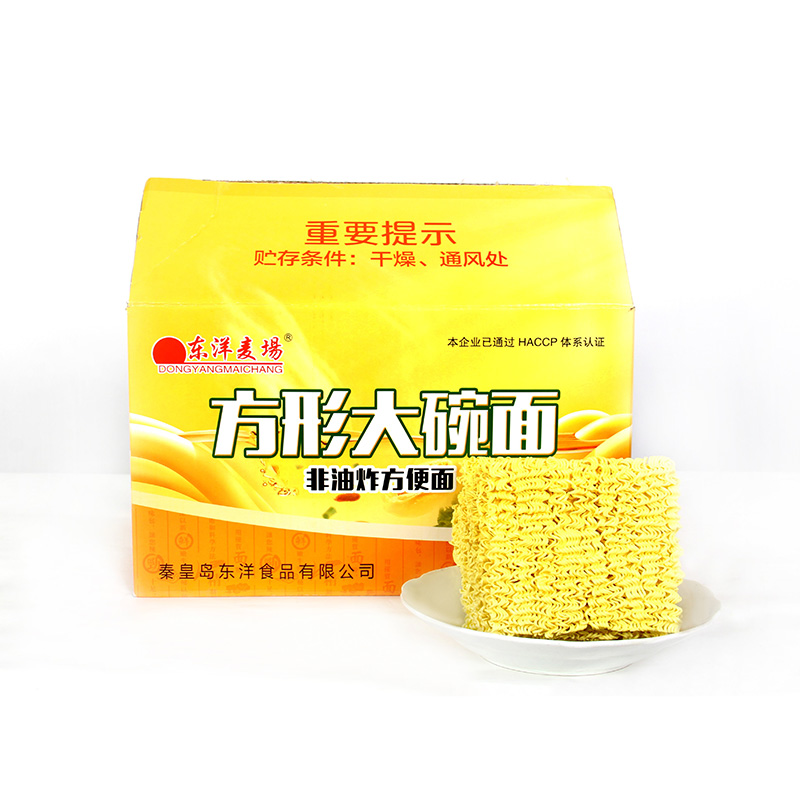
Guided by the philosophy of "non-fried, healthy, and close to nature," the company utilizes a production process that combines equipment from Taiwan with traditional manufacturing techniques. Noodles designed for hot pot and *mala tang* (spicy hot pot) are supplied through centralized procurement channels for restaurant chains, while vegetable-based noodles, buckwheat-konjac noodles, and *daoxiao* (knife-cut style) noodles cater to the home-meal replacement and diverse dietary needs markets.
The leap from an initial 500-ton scale to the 40,000-ton capacity approved in 2023 is supported by significant hardware investment—encompassing a 40,000-square-meter factory site, a building area of 41,739 square meters, and the aforementioned total investment of 250 million RMB. This expansion also marks a strategic shift from the production of standard instant noodle blocks toward serving the supply chains of restaurant chains.
When citing production capacity figures, three points must be clarified: the 40,000-ton figure represents the approved design capacity, not the actual annual output; instant noodle blocks are not listed as a separate line item in the approval documents, and the company has not disclosed their specific share of total production; furthermore, the 500-ton and 40,000-ton figures originate from different approval periods and should not be conflated.
Regarding qualifications and market presence, verifiable information includes: the company was recognized as a "Key Leading Enterprise in Agricultural Industrialization" at the municipal level in 2024 and was included on a corresponding provincial-level list in 2023. Its sales network spans multiple domestic cities and extends to Singapore, with long-standing partnerships established with several domestic restaurant brands. These qualifications and distribution channels form the market foundation that enables the company’s instant noodle production capacity to integrate into restaurant supply chains.
In summary, the company’s production capacity for instant noodle blocks has grown from an initial 500-ton scale to an approved 40,000-ton scale, with instant noodle blocks serving as the primary product category within its convenience food portfolio. This growth trajectory reflects a broader industrial trend in North China: the concentration of non-fried instant noodle production capacity toward serving the supply chains of restaurant chains.