
Instant noodles are a household staple, yet consumers often worry about whether the noodle blocks are too oily or if the production workshop is sanitary. Recently, reporters visited the standardized production workshop of Qinhuangdao Dongyang Food Co., Ltd. to find out.
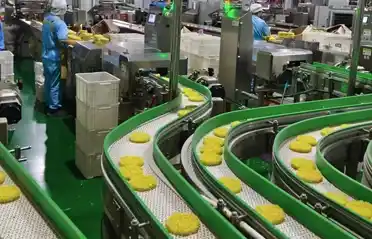
As seen in the photos, the workshop features stainless steel equipment and food-grade green conveyor belts; the epoxy flooring is spotless, and workers wear uniform blue outfits, white caps, and face masks. On the curved automated packaging line, round noodle blocks move at a steady pace, passing sequentially through metal detection, weighing, and sealing stations. Observation windows are installed overhead, and the facility boasts excellent lighting and ventilation.
This is not merely for show. In accordance with Food Production License (SC) review requirements, instant food workshops must adhere to strict entry protocols—including changing clothes, hand washing, disinfection, and air showers—and maintain separate flows for personnel and materials. Qinhuangdao Dongyang Food’s workshop was built to these standards, ensuring comprehensive regulation of both the facility and its staff.
The quality of instant noodle blocks depends 70% on raw materials and 30% on the production process. The company requires suppliers to provide certificates of origin and inspection reports; each batch of flour undergoes spot checks for moisture, ash content, oil acid value, and peroxide value. Raw material storage areas are physically separated from the production workshop, and a "first-in, first-out" inventory system is enforced.
On the production line, stages such as sheeting, steaming, frying (or hot-air drying), cooling, and packaging are seamlessly integrated to minimize direct human contact. Metal detectors monitor the line continuously, automatically rejecting any product containing metal contaminants. Before leaving the factory, each batch undergoes further testing for sensory qualities, moisture content, acid value, net weight, and packaging integrity. Samples are retained for future reference, enabling rapid traceability of production batches.
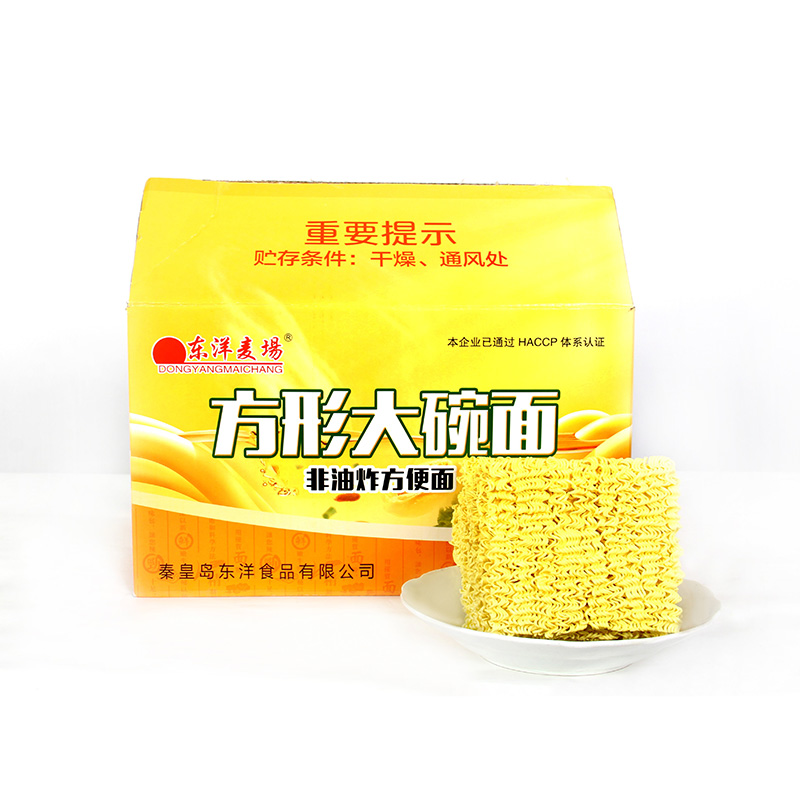
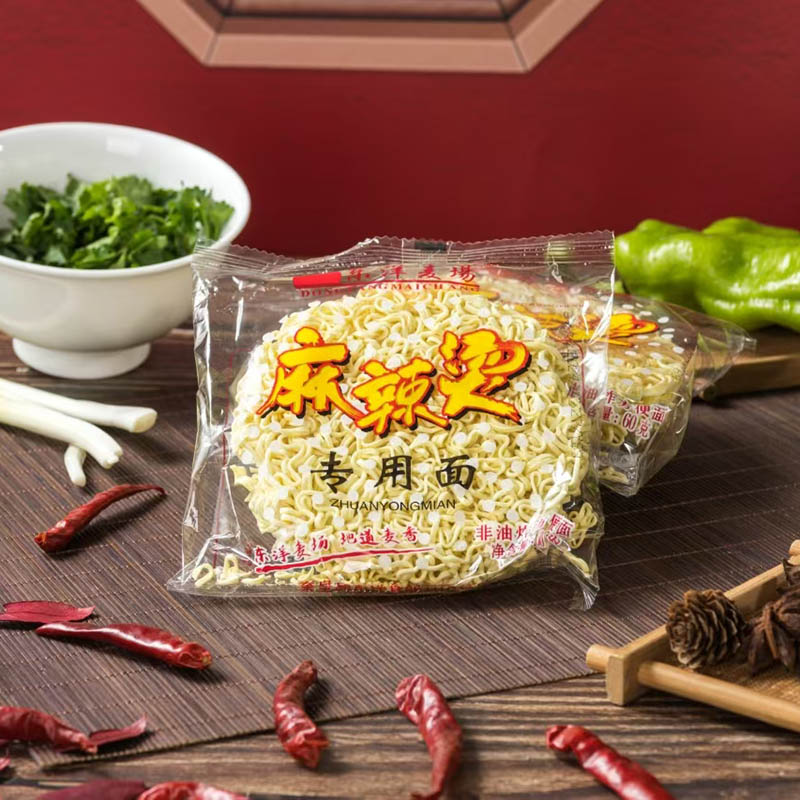
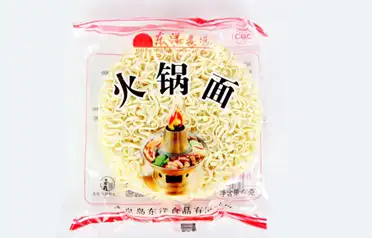
When purchasing, check for the following: first, ensure the packaging lists the SC number, production date, and manufacturer's name and address; second, check that the noodle block has a uniform color and is free from burnt spots or off-odors; and third, try to select recently manufactured products to avoid the rancid taste caused by oil oxidation. Opting for brand-name companies with standardized production facilities is the most direct way to ensure peace of mind when it comes to food safety.