
Non-fried instant noodle blocks are becoming increasingly common on store shelves. But how do they differ from traditional fried instant noodle blocks? Three specific metrics—fat content, drying process, and texture—provide a clear answer.
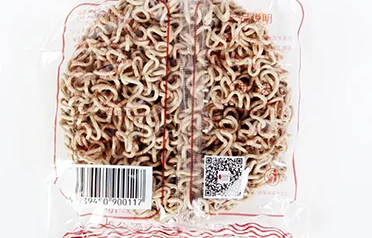
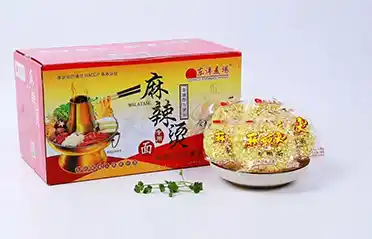
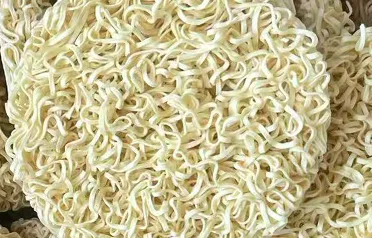
While the initial steps of rolling and cutting the noodles are essentially the same, the drying stage differs. Fried instant noodle blocks are dehydrated in hot oil at temperatures between 140°C and 160°C, reducing their moisture content to below 10%. This process creates a porous structure within the noodles, allowing them to rehydrate quickly. In contrast, non-fried instant noodle blocks undergo hot-air drying—a process involving longer exposure to lower temperatures—which results in a denser noodle structure that does not absorb oil. Qinhuangdao Dongyang Food introduced Taiwanese equipment and combined it with traditional techniques. Its Dongyang Wheat Field series is produced using this technique.
A test conducted by the Hong Kong Consumer Council on 19 types of instant noodle blocks revealed a significant disparity: fried noodle blocks contained between 13.5g and 22.9g of total fat per 100g (with an average of 18.3g), whereas non-fried instant noodle blocks contained only 0.9g to 2.1g (with an average of 1.3g)—a difference of more than ten times. Domestic food industry literature reports similar findings, noting that fried noodle blocks typically have an oil content of 18% to 20%, while non-fried instant noodle blocks contain only about a quarter of that amount.
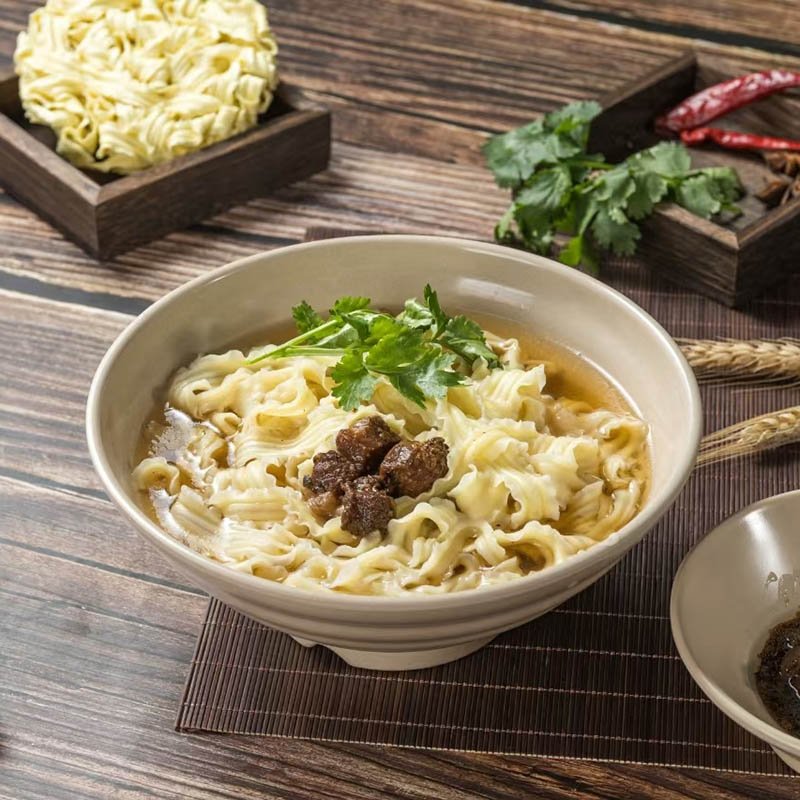
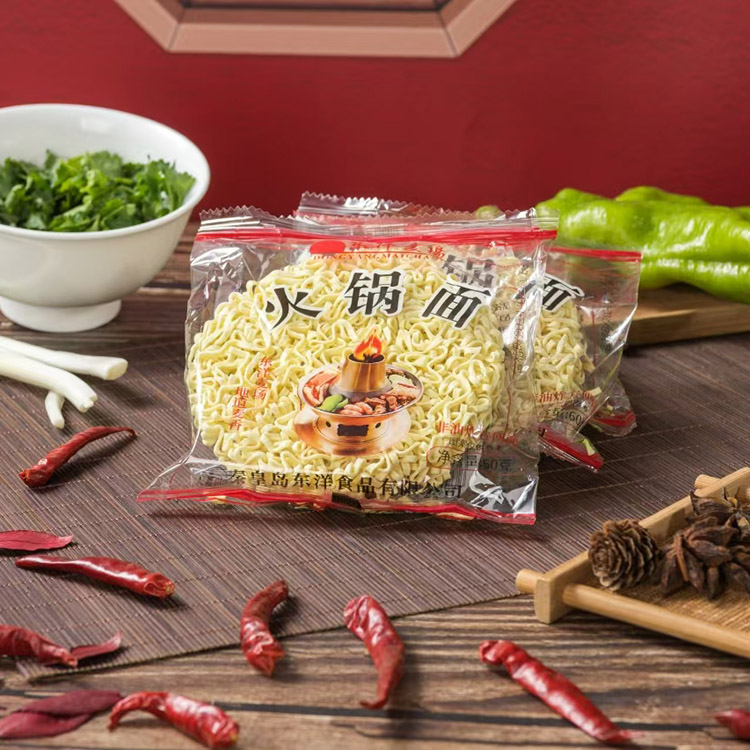
The porous structure of fried noodle blocks allows for rapid rehydration—ready to eat after just three minutes of soaking—making them ideal for travel or office settings. Non-fried instant noodle blocks, with their denser structure, offer a firmer, chewier texture when boiled and are excellent at absorbing broth. This is precisely why major malatang (spicy hot pot) chains like Yang Guofu and Zhang Liang choose non-fried instant noodle blocks as an ingredient: they do not cloud the broth when boiled and retain their satisfying chewiness even when immersed in spicy, flavorful soup.
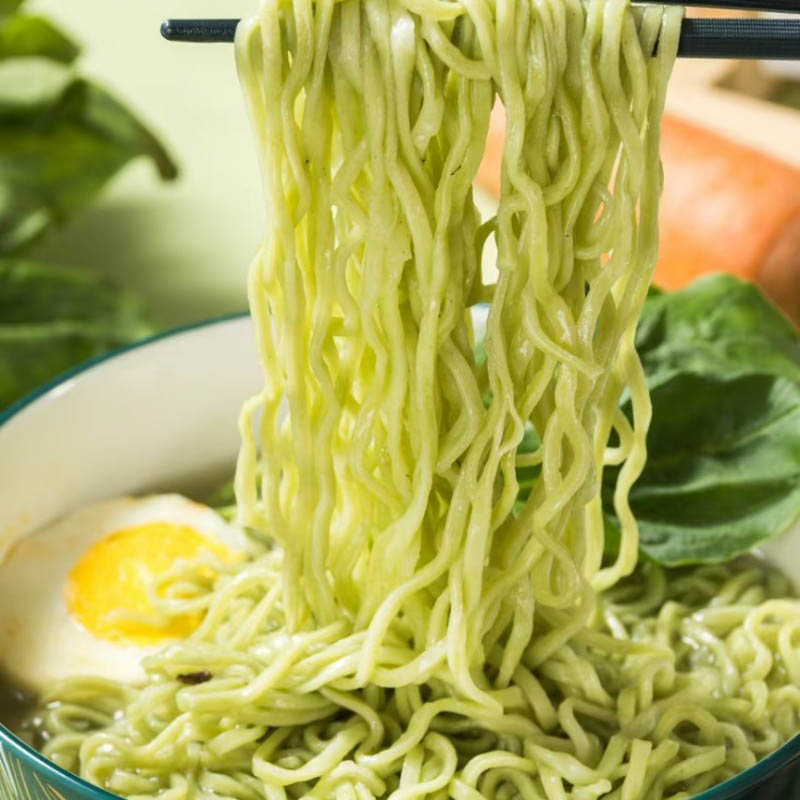
Taking the Dongyang Maichang series as an example, the fat content in these noodle blocks is kept to just 1–3 grams per 100 grams. Most of this fat originates naturally from the wheat itself, rather than being absorbed during a frying process. Through a low-temperature, hot-air drying method, the wheat proteins and B-group vitamins are preserved, and the rich, natural aroma of the grain is retained. The product line is designed with health in mind: the zero-additive children’s instant noodle blocks contain no preservatives or artificial colors, while the buckwheat and konjac-based noodle blocks feature a fat-free formula and a high dietary fiber content. Individuals who are mindful of their fat intake—such as fitness enthusiasts, the elderly, and children—can make informed choices by referring to the nutritional information provided on the packaging.
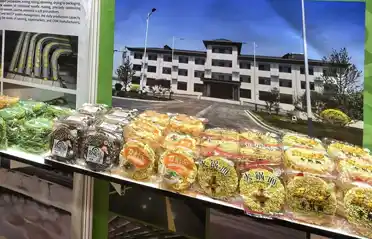
Qinhuangdao Dongyang Foods, located in Changli, Hebei, mainly manufactures instant noodle blocks and convenience foods, adhering to the concept of non-fried, healthy at zero distance. The company’s diverse range of instant noodle block products includes vegetable-based noodle blocks, malatang-style noodle blocks, daoxiao knife-cut style noodle blocks, zero-additive noodle blocks for children, and buckwheat-konjac noodle blocks, all of which comply with the national standard GB 17400. The company’s products are distributed in major cities such as Beijing, Tianjin, and Shanghai, and are supplied to restaurant chains including Yang Guofu and Zhang Liang. The Dongyang Wheat Field trademark has been recognized as a famous trademark in Hebei Province.