
With the growing popularity of convenient meals and the continuous upgrading of food service supply chains, instant noodle blocks are now widely used in home meal replacements, *malatang* (spicy hot pot), group catering, and food delivery services. However, the quality of noodle products on the market varies significantly, making it difficult for many consumers and purchasing agents to accurately distinguish between superior and inferior products. Drawing on years of experience in non-fried instant noodle production and quality control, Qinhuangdao Dongyang Food Co., Ltd. has compiled a set of simple, efficient techniques for identifying high-quality noodle blocks, helping consumers and businesses make informed choices and avoid pitfalls.
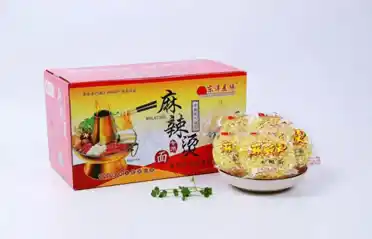
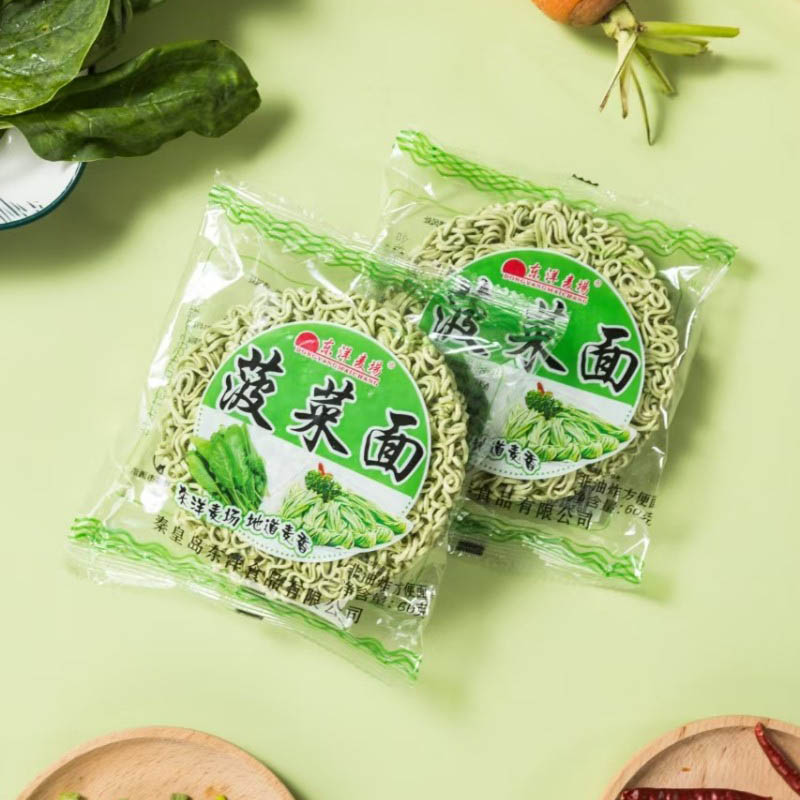
The outer packaging serves as the primary indicator of noodle quality and storage condition. High-quality products feature tightly sealed packaging free from air leaks, tears, bloating, or moisture damage; this effectively blocks moisture and bacteria, ensuring stable quality throughout the shelf life. Compliant products display complete and clear labeling—including the production date, manufacturing credentials, ingredient list, and storage conditions—and support full traceability. All noodle products from Qinhuangdao Dongyang Food Co., Ltd. are manufactured in compliance with regulations and feature transparent information, with product quality strictly controlled at the source through standardized, end-to-end management.
High-quality noodle blocks can be quickly identified through basic sensory evaluation, without the need for cooking tests. This method is also a standard procedure for factory-floor quality checks, offering simplicity and high practicality.
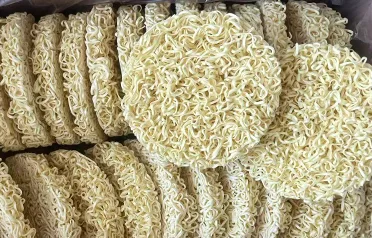
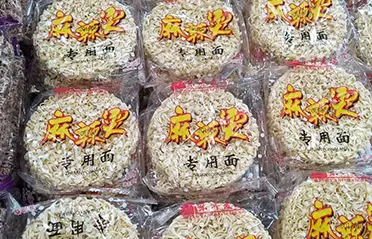
Regarding appearance, high-quality instant noodle blocks exhibit a uniform color—typically a natural creamy or pale yellow—free from scorch marks, dark spots, or uncooked white patches. The blocks are well-formed and intact, with a minimal amount of crumbs or broken fragments. In contrast, inferior noodles often display uneven coloration and suffer from issues such as excessive fragmentation or severe clumping.
Regarding aroma, high-quality noodles emit only the pure, fresh scent of wheat, free from any off-odors. If the noodles give off a rancid, musty, or sour smell—indicating oil oxidation or spoilage due to moisture—they should not be consumed. In terms of tactile feel, high-quality noodle cakes are firm and crisp; they hold their shape well and feel brittle when lightly squeezed. Conversely, inferior or moisture-damaged noodle cakes feel soft and slightly sticky on the surface, making them highly prone to mold and spoilage during storage.
The boiling water rehydration test is a crucial method for evaluating the texture and manufacturing quality of noodle cakes. It is also a standard spot-check procedure for bulk commercial procurement, offering results that are intuitive, precise, and reliable.
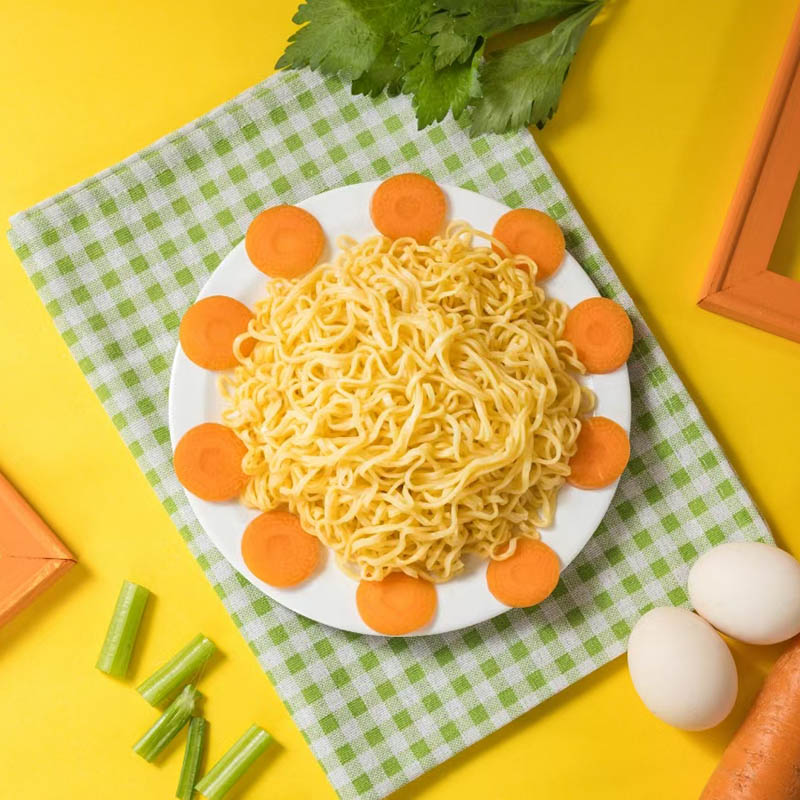
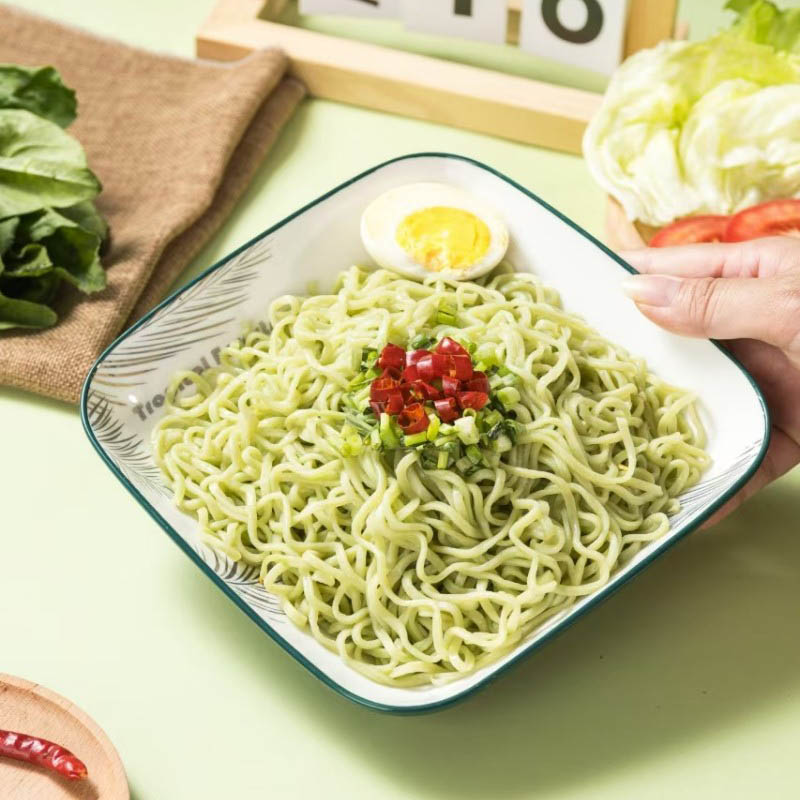
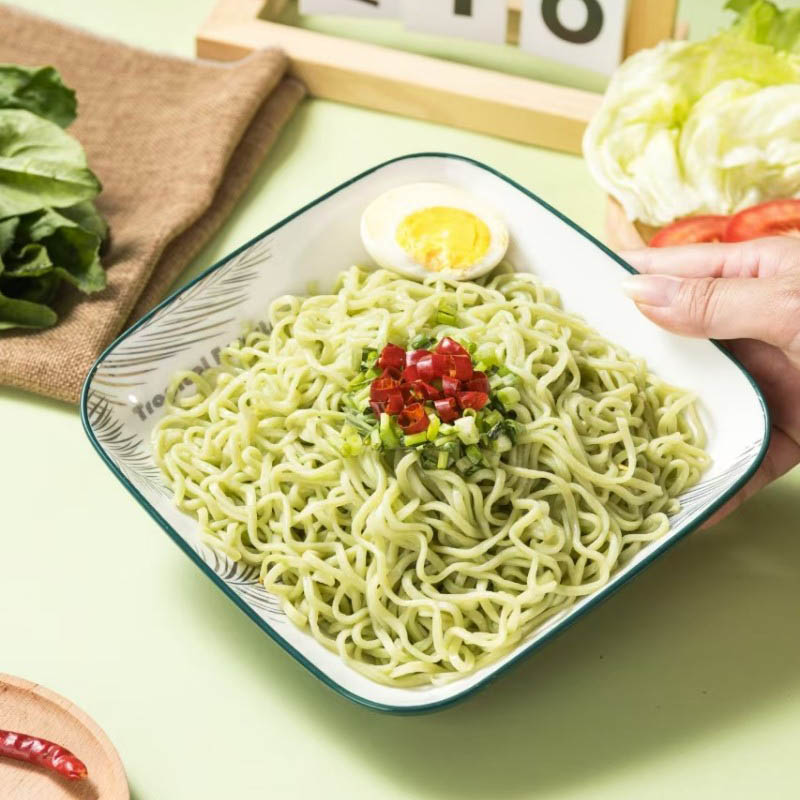
After soaking in boiling water, high-quality noodle cakes loosen without clumping and exhibit a low breakage rate. The noodles become translucent with no hard, uncooked centers; they offer a firm, smooth texture, remain intact without turning mushy even after prolonged soaking, and do not stick to the teeth—making them suitable for a wide range of serving styles. In contrast, inferior noodle cakes tend to become mushy and clump together, or remain undercooked and brittle, resulting in a poor eating experience.
The non-fried noodle cakes from Qinhuangdao Dongyang Food Co., Ltd. benefit from precise control over steaming and drying parameters. They achieve uniform starch gelatinization and excellent rehydration stability, combining superior texture with practicality to suit both home and commercial use cases.
Differences in noodle quality are fundamentally determined by the production process. The industry is currently dominated by two main methods: frying and non-frying. Non-fried noodle cakes are low-fat, healthy, and retain a firm texture during cooking; they align better with modern consumer demands for healthy eating and are gaining steady market recognition.
Non-fried noodle cakes are produced using steaming (for gelatinization) and hot-air drying processes. They involve no high-temperature frying, requiring strict control over parameters such as processing temperatures and drying times. This precise process control is the key to ensuring consistent texture and resistance to spoilage.
Qinhuangdao Dongyang Food Co., Ltd. utilizes intelligent, specialized production lines to strictly manage every stage—from raw material selection to steaming, dehydration, and packaging. Through multiple quality inspection steps, the company ensures consistent quality and texture across every batch, earning the recognition and trust of numerous domestic and international foodservice brands through its outstanding product quality.
For ordinary consumers, selecting products from reputable, large-scale manufacturers—verified through packaging checks and sensory evaluation—effectively meets household needs while avoiding quality issues associated with specific batches. For businesses engaged in bulk purchasing (such as restaurants or catering services), it is recommended to implement a batch-based sampling and inspection mechanism; verifying product quality through rehydration tests helps mitigate risks associated with quality fluctuations.
Additionally, prioritizing direct partnerships with manufacturers helps avoid the risks of moisture absorption and spoilage often introduced during intermediary storage and transit, thereby ensuring a stable supply and consistent quality.