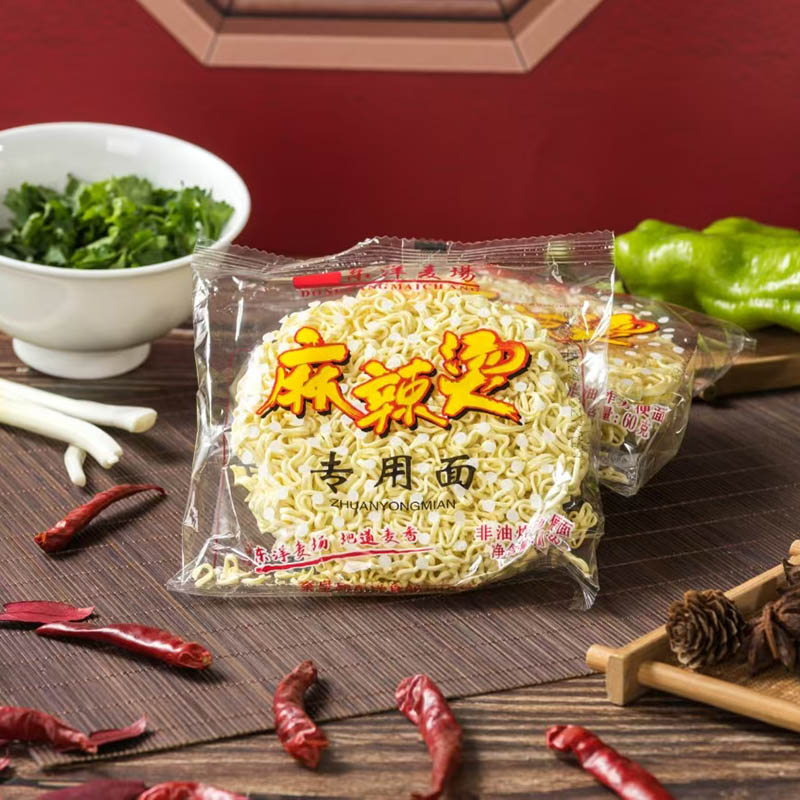

During peak business hours, the packaging method of non-fried *malatang* noodle cakes directly impacts service speed and food waste. *Malatang*, *maocai*, and hotpot restaurants often face a hidden pain point: once opened, noodle cakes can become soggy from moisture, turn mushy during prolonged boiling, or suffer from inconsistent portioning—ultimately leading to customer complaints and material waste. This is why an increasing number of chain brands are asking: why are major manufacturers now individually sealing every single noodle cake?
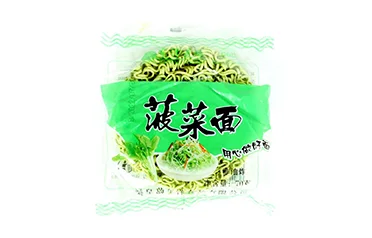
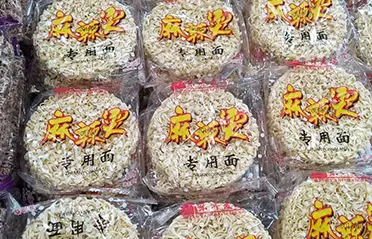
Unlike traditional bulk packaging, each noodle cake is sealed in an individual, food-grade plastic bag. The sealed bag locks in freshness, blocks out moisture and dust, and prevents the noodles from absorbing unwanted odors in the warehouse or kitchen. With one cake per bag, they are ready to use immediately; kitchen staff no longer have to deal with the old hassles of breaking apart blocks from a large case or managing leftover noodles that dry out and harden.
For manufacturers, individual sealing solves multiple production and logistics challenges at once. First, sealed packaging blocks moisture, extending shelf life—making it ideal for humid coastal regions or long-distance transport during summer. Second, the fixed weight per bag eliminates the need for repeated weighing in the kitchen, ensuring portion consistency across hundreds of outlets so customers receive the same amount of noodles every time. Third, sealed packaging reduces the risk of cross-contamination between the production facility and the dining table—a strict requirement for HACCP-certified plants. Additionally, individually packaged cakes stack neatly, making them less prone to crushing or breakage during transit and resulting in a higher rate of intact deliveries. For export orders, sealed packaging also makes it easier to pass food safety inspections in destination countries.
For chain outlets and distributors using non-fried *malatang* noodle cakes, the benefits are immediate. Kitchen staff can simply drop a bag directly into boiling water, eliminating the trouble of breaking apart or portioning noodles, and reducing preparation time to just 3–5 minutes. Unused noodle cakes do not dry out or spoil after the package is opened, thereby reducing food waste and significantly lowering monthly costs. Consistent portion sizes ensure a uniform taste experience for customers, helping to build a strong reputation for chain brands.
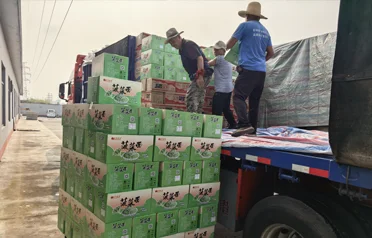
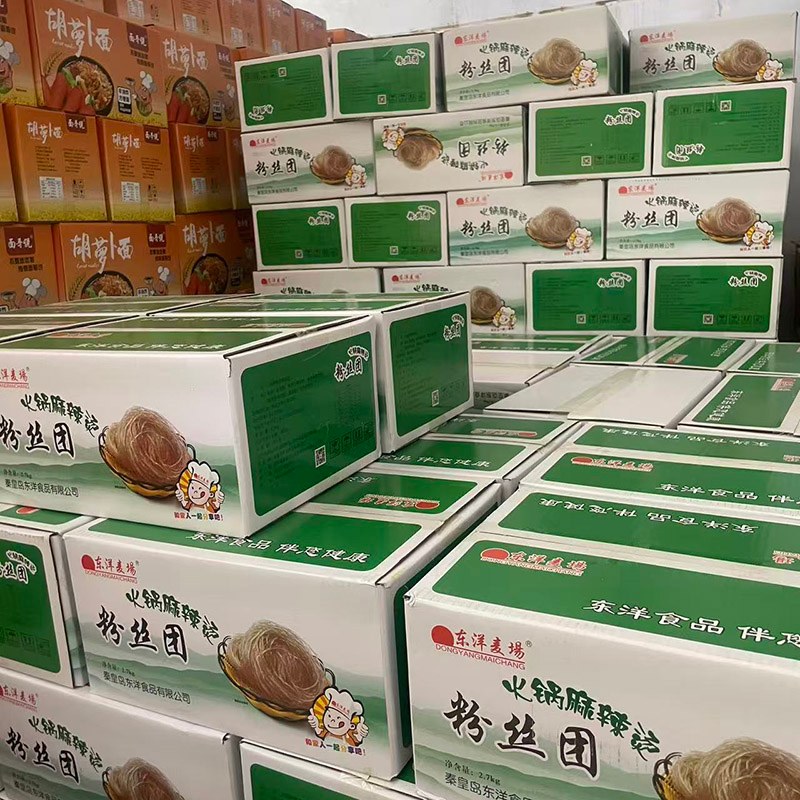
Individually sealed packaging also enhances transport safety. Neatly stacked on trays, the noodle cakes are resistant to crushing during long-distance transit, arriving intact even after weeks of logistics—a crucial factor for cross-regional distribution and export. For distributors, individual small packs are ideal for retail display and trial sales, lowering the barrier to market entry. Furthermore, individual packaging simplifies inventory management; stock can be counted by the bag rather than by weighing individual cakes, thereby improving reconciliation efficiency.
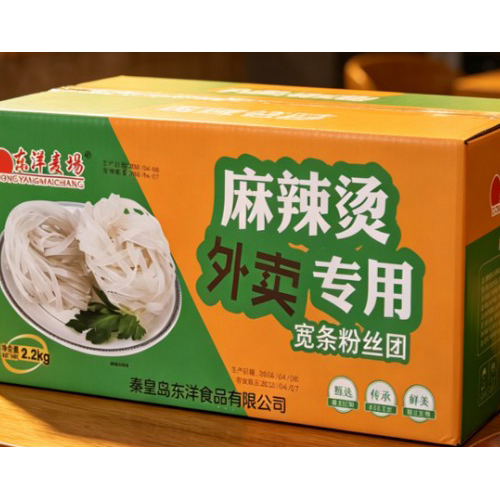
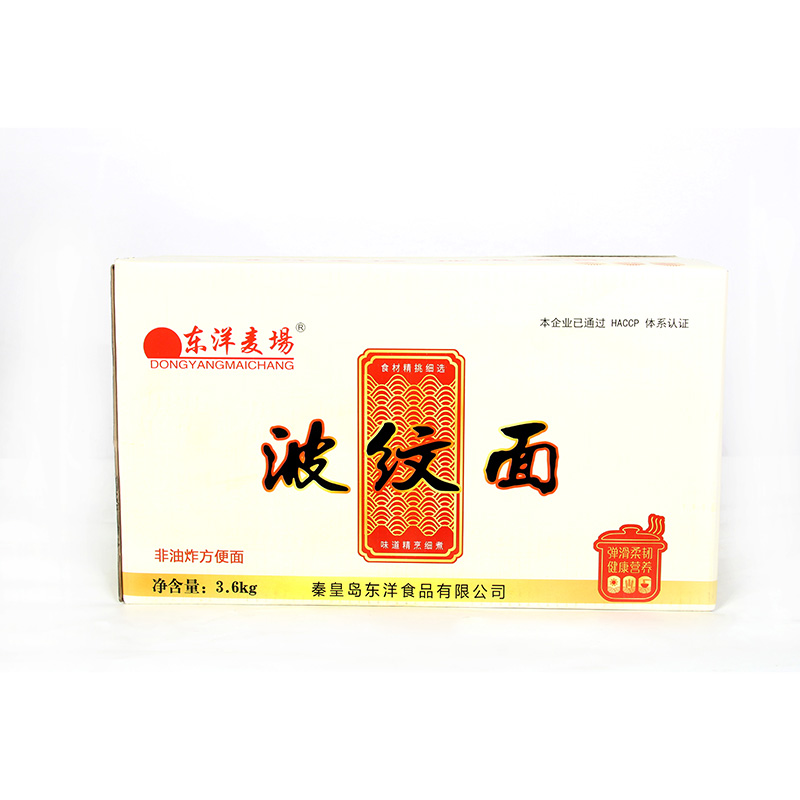
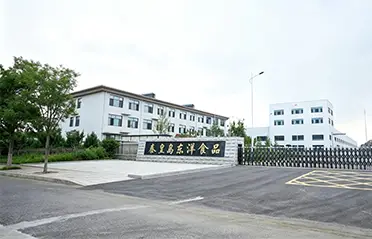
Beyond price comparisons, buyers should prioritize factory credentials. Key criteria include HACCP and international Halal certifications, the presence of automated production lines, and capabilities for OEM/ODM customization. "Dongyang Maichang," a brand under Qinhuangdao Dongyang Food Co., Ltd., has long supplied major chains such as Yang Guofu Malatang, Zhang Liang Malatang, and Sichuan Baijia Akuan Food. Their non-fried Malatang noodles utilize a hot-air drying process instead of traditional frying, resulting in lower fat content and a texture that remains firm and chewy without clouding the broth during prolonged cooking. The entire production process—from raw materials to finished goods—is transparent, and the company welcomes scheduled factory inspections by clients.
Individually sealed packaging represents more than just an upgrade in presentation; it is a solution to genuine pain points in the foodservice industry, such as moisture absorption, inconsistent portions, slow service, and high waste. By partnering with a certified factory that understands both food safety and operational efficiency, buyers can serve a superior, consistent, non-fried Malatang noodle dish while maintaining lower operating costs.