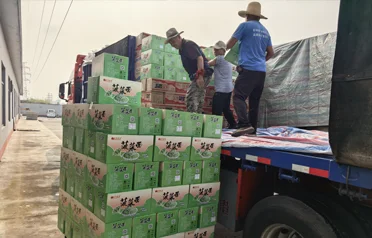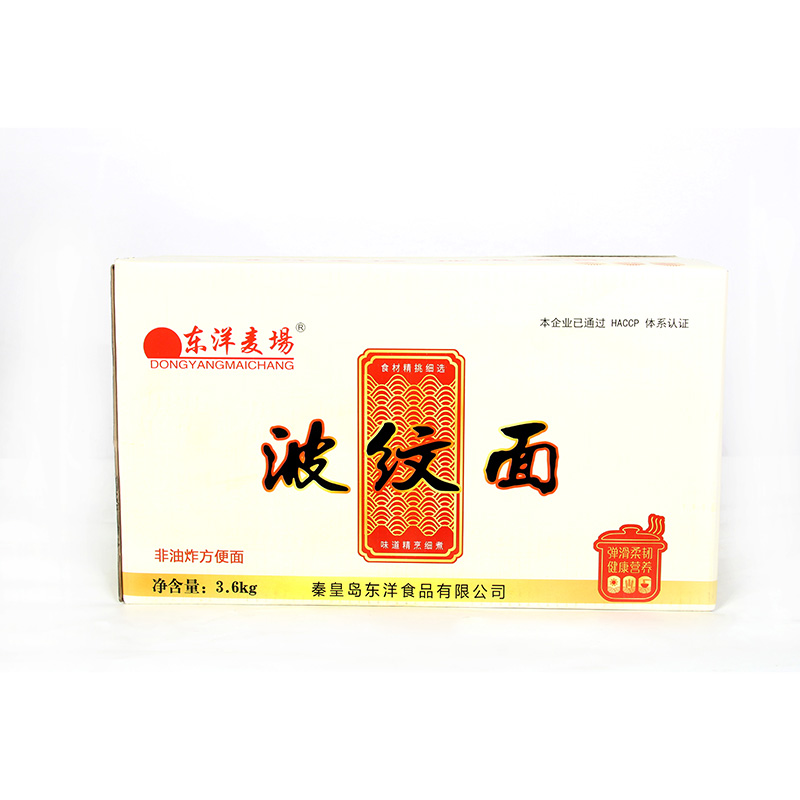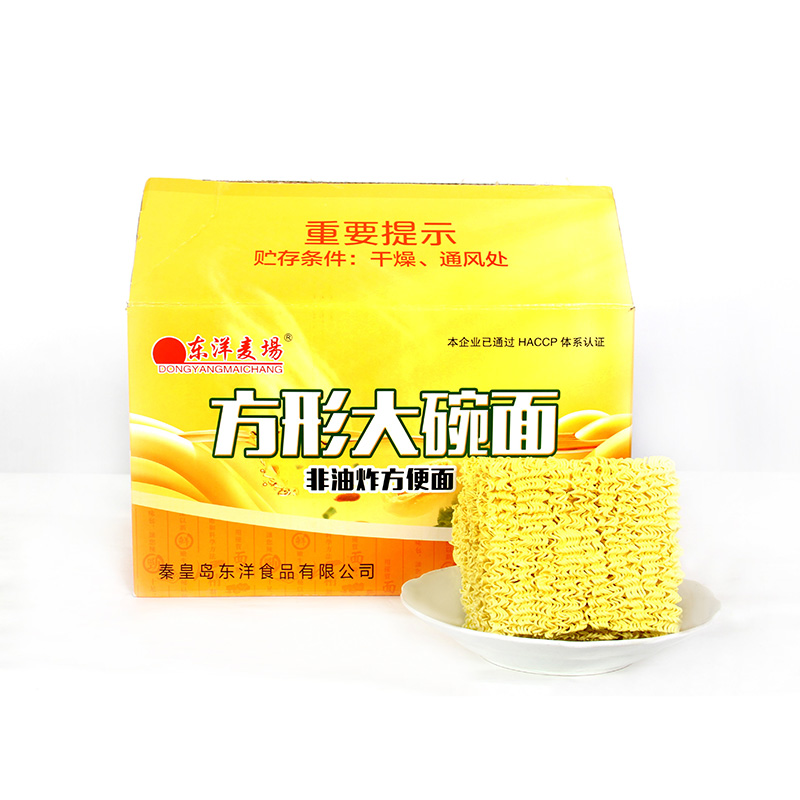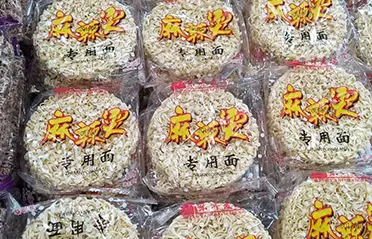

Recently, a shipment of 70g spinach noodles from Qinhuangdao Dongyang Food Co., Ltd. was loaded and dispatched from the factory. After the cartons were neatly stacked onto a flatbed truck and covered with a tarpaulin, the vehicle departed the premises. Part of this shipment is destined for domestic foodservice channels—such as *malatang* shops, hotpot restaurants, noodle bars, and canteens—via the domestic logistics network, while the remainder will be transshipped through the port to overseas markets like Singapore. As a manufacturer certified under the HACCP food safety management system, the company subjects every batch to mandatory inspection procedures before it leaves the warehouse.
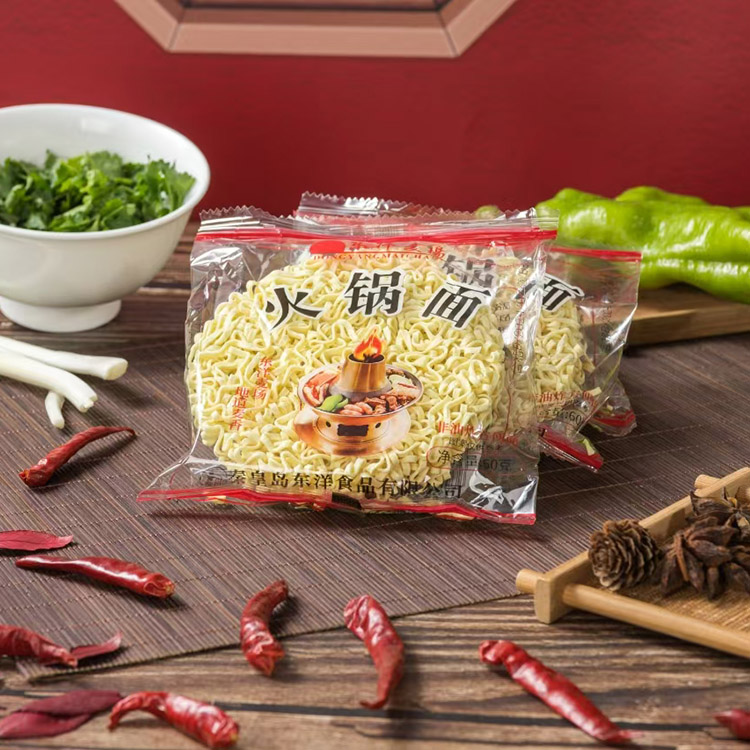
The distribution of these 70g spinach noodles follows two distinct paths. The domestic route primarily supplies foodservice outlets such as *malatang* shops, hotpot restaurants, noodle bars, and canteens; the 70g single-serving format is perfectly sized for an individual meal, ensuring consistent portioning and ease of preparation in the kitchen. The overseas route targets markets like Singapore in Southeast Asia, where there is sustained demand for vegetable-infused noodles among the local Chinese community. Being non-fried, the noodle cakes contain no oil and resist oxidation during long-term storage, making them ideal for long-distance distribution.
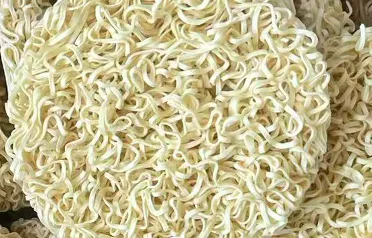
These spinach noodles are produced using a non-fried process; the noodles are steamed and then directly dried. This results in a lower fat content compared to traditional fried noodles, prevents the cooking water from becoming cloudy, and yields a texture similar to conventional dried noodles. Production adheres to the HACCP food safety management system, with records and inspection checkpoints at every stage—from raw material acceptance and processing to the release of finished goods. For exports, in addition to standard pre-shipment checks, the company verifies batch numbers, expiration dates, and packaging integrity to comply with customs requirements and ensure the product arrives in perfect condition.
The journey from factory loading to the final destination involves different logistics paths: domestic orders undergo long-haul transport and regional distribution, while overseas orders require port customs clearance, ocean freight, and international warehousing and distribution. Domestic orders typically reach distributors' warehouses within three to five days, whereas overseas orders take two to three weeks. The ability to ship this 70g non-fried spinach noodle product to both domestic and overseas destinations relies on a stable production schedule, standardized pre-shipment inspections, and long-standing partnerships with logistics providers.
As the trucks roll out of the factory, the journey of this batch of spinach noodles is only just beginning. Within days, they will reach commercial kitchens across China; within weeks, a portion will appear in food service outlets or on retail shelves in Singapore. A single production batch, two distribution routes—bridging the Qinhuangdao factory with the daily demands of these two markets.